Exploring the Vibrant Heart of Beijing’s 798 Art Zone
Drawn by the allure of Beijing’s modern art scene, I embarked on a journey through the 798 Art Zone, a district that beautifully marries history with contemporary creativity. Join me as I explore this vibrant cultural hub.

A Journey Through Beijing’s Modern Art Scene
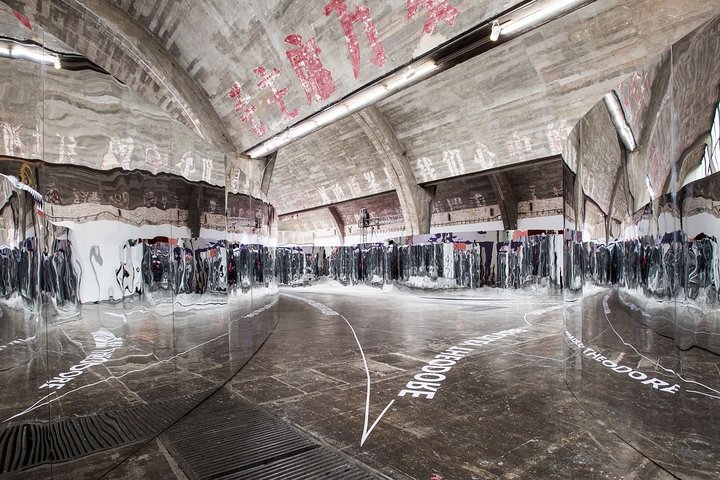
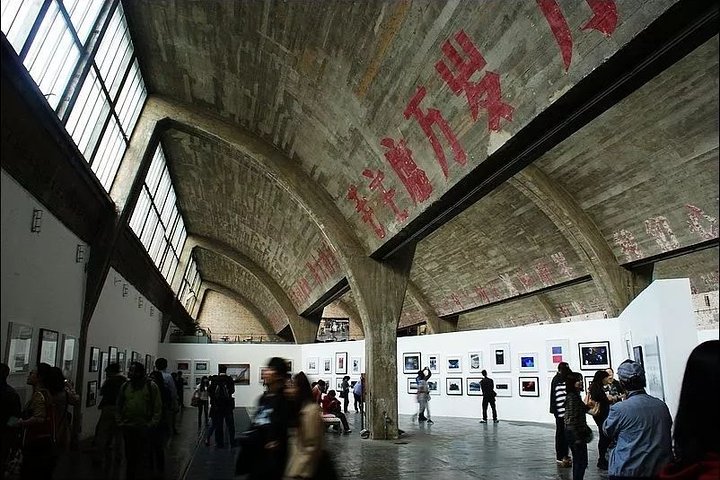
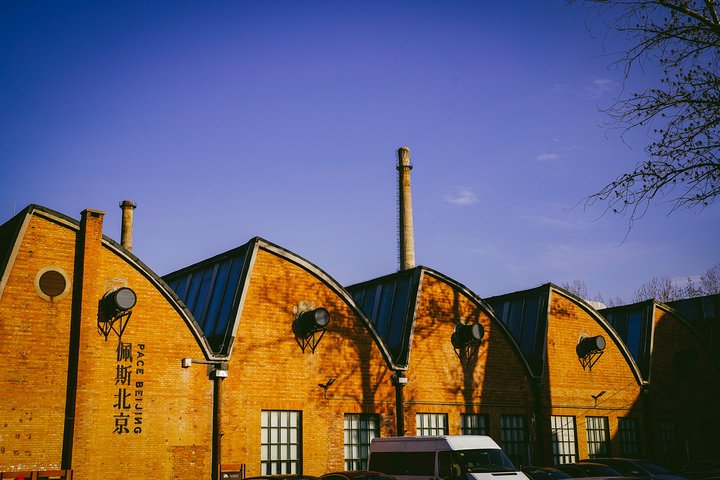
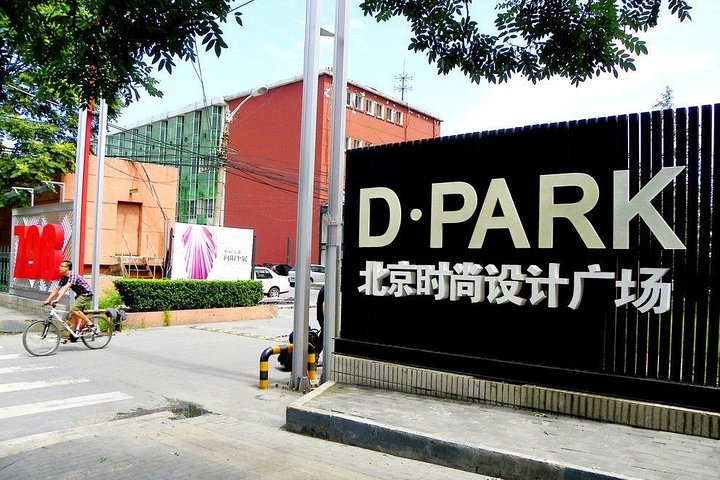
As a cultural anthropologist, I have always been drawn to the stories that art tells about a society. My recent journey to Beijing’s 798 Art Zone was no exception. This vibrant district, once a military factory complex, now stands as a testament to the city’s evolving identity. The transformation of these Bauhaus-designed buildings into a hub for contemporary art is a reflection of Beijing’s dynamic cultural landscape.
Upon arriving, I was immediately struck by the juxtaposition of the old and the new. The industrial architecture, with its stark lines and utilitarian design, provided a striking backdrop for the avant-garde art that filled the galleries. My guide, Jeffrey, was instrumental in navigating this artistic labyrinth. His insights into the works of emerging Chinese artists added depth to my understanding of the pieces. As we wandered through the Ullens Center for Contemporary Art, I was captivated by the bold expressions and innovative techniques on display.
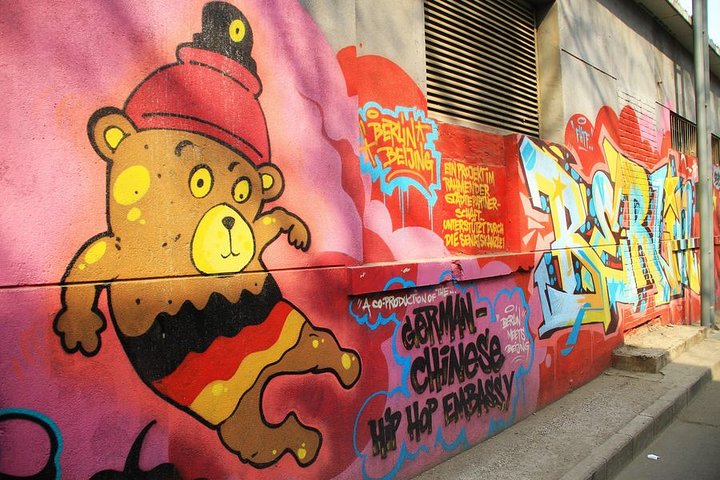
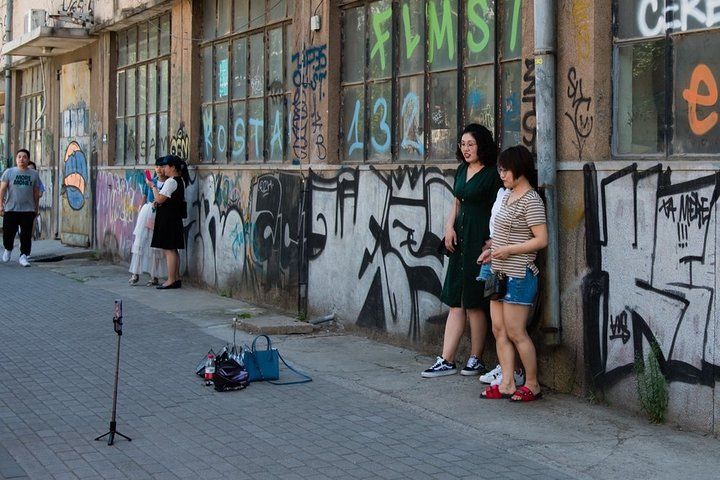
The 798 Art Zone is not just a place to view art; it is an experience that engages all the senses. The air was filled with the hum of creativity, and the vibrant colors of the murals seemed to dance in the sunlight. It was a reminder of the power of art to transcend boundaries and connect people across cultures.
The Allure of Artistic Exploration
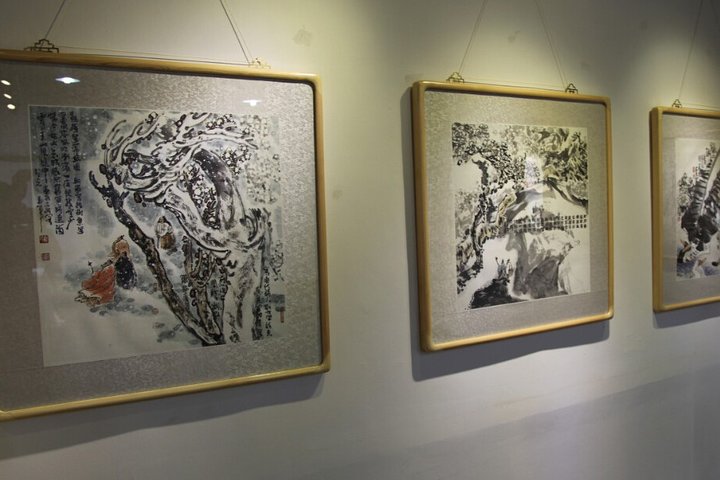
One of the most enchanting aspects of the 798 Art Zone is its ability to surprise and delight at every turn. As I strolled through the district, I found myself drawn into small studios and galleries, each offering a unique perspective on contemporary art. The diversity of styles and mediums was astounding, from traditional ink paintings reimagined in modern contexts to cutting-edge digital installations.
Jeffrey’s expertise was invaluable as we explored these hidden gems. His ability to translate the nuances of the art allowed me to appreciate the cultural significance behind each piece. It was fascinating to see how these artists are pushing the boundaries of traditional Chinese art, creating works that are both deeply rooted in history and boldly forward-thinking.
The district’s cafes provided the perfect respite between gallery visits. Nestled among the trees, these charming spots offered a chance to reflect on the art and engage in conversations with fellow art enthusiasts. It was in these moments of pause that I truly felt the pulse of Beijing’s modern art scene.
A Cultural Tapestry Woven in Art
The 798 Art Zone is more than just a collection of galleries; it is a living, breathing tapestry of Beijing’s cultural evolution. As I concluded my visit, I was left with a profound appreciation for the role that art plays in shaping and reflecting society. The district’s ability to blend history with innovation is a testament to the resilience and creativity of its artists.
For those seeking a deeper connection to Beijing’s cultural landscape, the 798 Art Zone offers an unparalleled experience. It is a place where art and architecture converge to tell the story of a city in transition. As I left the district, I carried with me not only memories of the art I had seen but also a renewed sense of wonder at the power of creativity to inspire and transform.
In a world that is constantly changing, the 798 Art Zone stands as a beacon of artistic exploration and cultural exchange. It is a reminder that art is not just a reflection of society but a catalyst for change, inviting us to see the world through new eyes. For anyone visiting Beijing, this district is a must-see, offering a glimpse into the vibrant heart of modern Chinese art.


