Exploring Baalbek: A Spiritual Journey Through Ancient Roman Wonders
Drawn by the allure of Baalbek’s ancient wonders, I embarked on a journey through time, exploring the grand Roman temples and rich history of the region. Join me as I delve into the spiritual and cultural heritage of Baalbek, Anjar, and Chateau Ksara.


A Journey Through Time: Baalbek’s Ancient Roman Wonders
As I embarked on the Baalbek Tour, I was filled with anticipation. The allure of Baalbek, with its grand Roman temples and rich history, had long captivated my imagination. As a scholar of Islamic studies, I have always been drawn to places where history and spirituality intertwine, and Baalbek promised to be such a place.
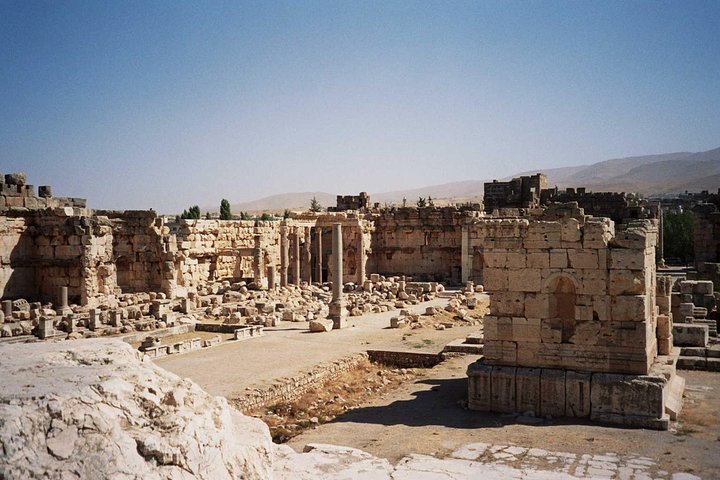
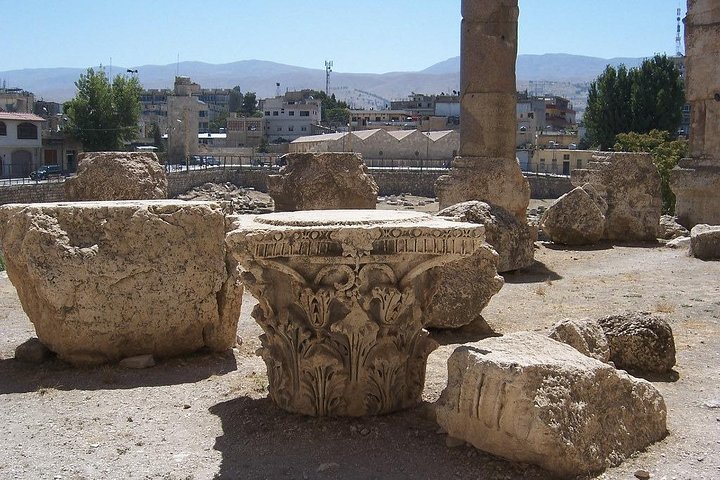
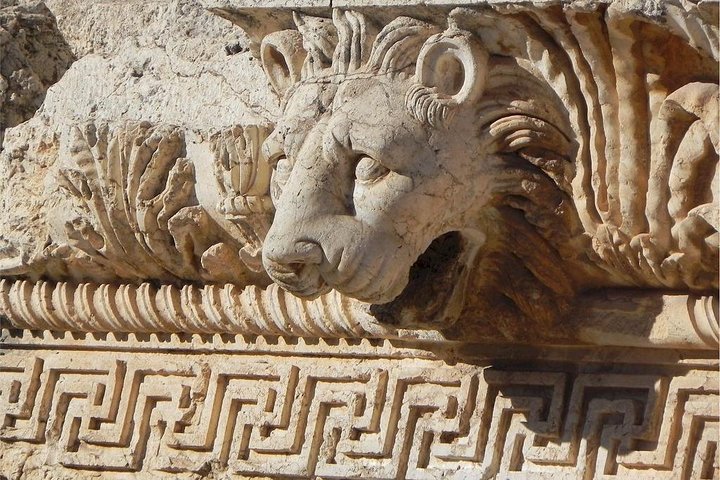
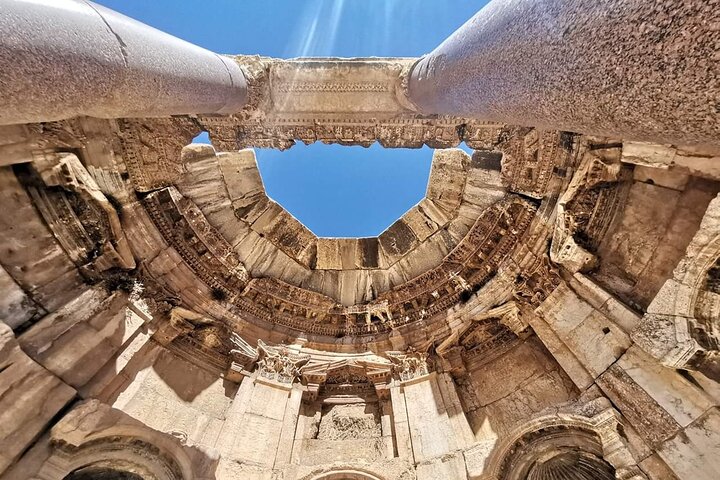
Our journey began with a visit to the Baalbek temple complex, a UNESCO World Heritage site. The sheer scale of the Temple of Jupiter and the intricate details of the Temple of Bacchus left me in awe. These colossal structures, remnants of a bygone era, stood as a testament to the architectural prowess of the Roman Empire. As I walked through the ruins, I could almost hear the echoes of ancient pilgrims who once thronged to this sanctuary to venerate the Romanized Triad of Heliopolis.
The local guide, Mike, was a fountain of knowledge, answering our questions with patience and depth. His insights into the historical and cultural significance of the temples enriched our experience, allowing us to connect with the past in a profound way. It was a reminder of the enduring power of faith and the human spirit’s quest for meaning.
The Spiritual Resonance of Anjar
Our next stop was the city of Anjar, founded by Caliph Walid I in the 8th century. As we explored the Umayyad ruins, I was struck by the city’s unique layout, reminiscent of ancient palace-cities. The ruins, with their blend of Roman and Umayyad architectural styles, offered a glimpse into a time when different cultures and civilizations coexisted and influenced one another.
Walking through the remnants of the Umayyad palace, harems, and mosque, I felt a deep connection to the past. The site was a testament to the Umayyad civilization’s ingenuity and its role as a commercial hub at the crossroads of important trade routes. It was a poignant reminder of the rich tapestry of history that has shaped the Middle East.
The spiritual resonance of Anjar was palpable, and I found myself reflecting on the transient nature of human achievements. As I stood amidst the ruins, I was reminded of the importance of preserving our cultural heritage and the stories of those who came before us.
A Taste of Lebanon: Chateau Ksara
The final leg of our journey took us to Chateau Ksara, one of Lebanon’s oldest and most renowned wineries. Founded by Jesuit priests in 1857, the winery has a storied history and is known for producing the first dry wine in Lebanon.
As we sampled the exquisite wines, I was reminded of the region’s rich agricultural heritage and the role of wine in the cultural and religious traditions of the Middle East. The experience was a delightful blend of history, culture, and gastronomy, offering a taste of Lebanon’s vibrant spirit.
The lunch in Zahle, included in the tour, was extraordinary. The flavors of the local cuisine, with its rich spices and fresh ingredients, were a feast for the senses. It was a fitting end to a day filled with exploration and discovery.
Reflecting on the journey, I realized that this tour was more than just a visit to historical sites. It was a pilgrimage of sorts, a journey through time that allowed me to connect with the past and gain a deeper understanding of the cultural and spiritual heritage of the region. For those seeking to enrich their spiritual journey, the Baalbek Tour is an experience not to be missed.