Baalbek: A Spiritual Odyssey Through History and Wine
Drawn by the allure of ancient ruins and the promise of spiritual enrichment, I embarked on a journey to Baalbek, Lebanon. What I discovered was a tapestry of history and culture, woven together in a way that touched my soul.


A Journey Through Time: The Temples of Baalbek
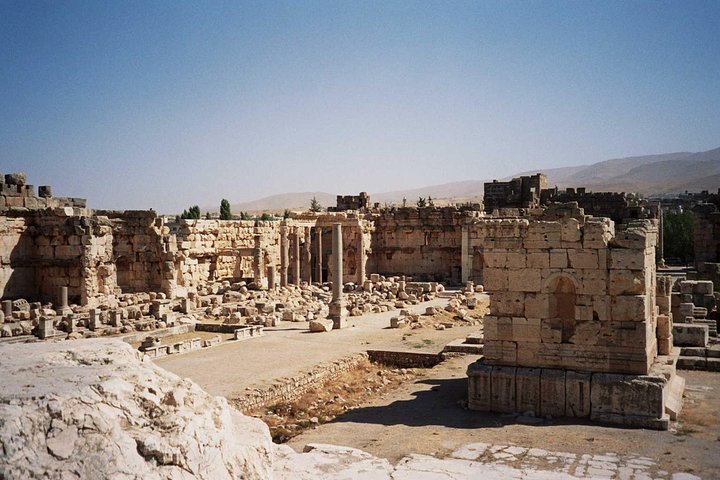
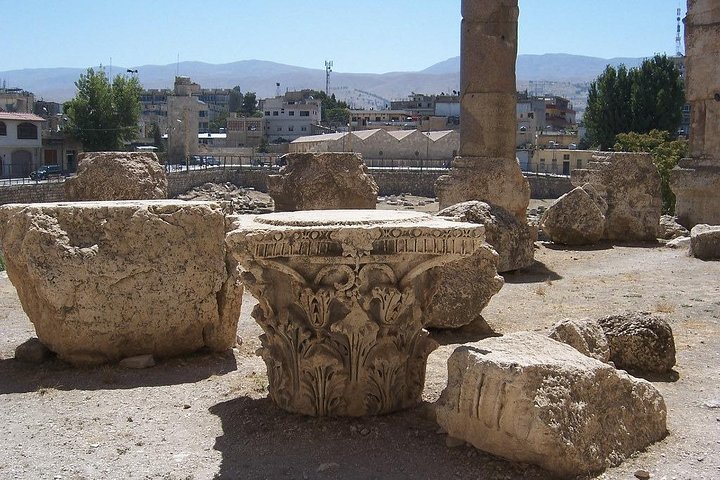
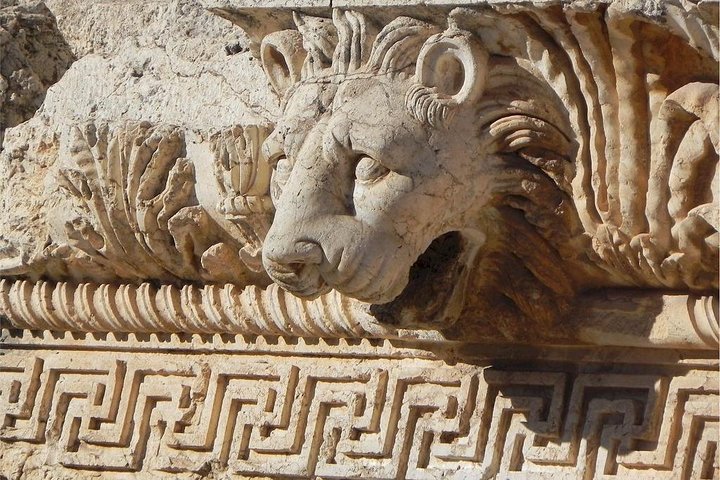
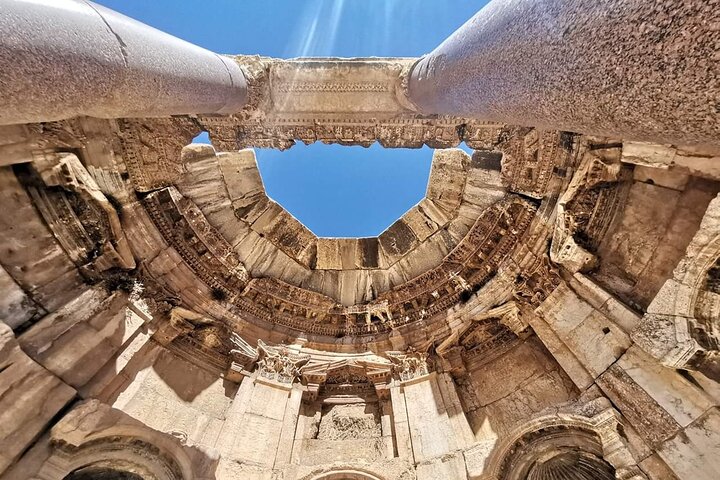
As I embarked on my journey to Baalbek, I was filled with anticipation. The stories of the monumental Temple of Jupiter and the Roman ruins had long intrigued me. Upon arrival, the sheer scale of the temples was overwhelming. The colossal columns of the Temple of Jupiter stood as silent sentinels, whispering tales of ancient rituals and the throngs of pilgrims who once gathered here. The Romanized Triad of Heliopolis—Jupiter, Venus, and Bacchus—were venerated in this sacred space, a testament to the syncretic nature of ancient religious practices.
Walking through the ruins, I felt a profound connection to the past. The stones beneath my feet were worn smooth by centuries of footsteps, each one a silent witness to the passage of time. As a scholar of Islamic studies, I found myself reflecting on the continuity of spiritual quests across cultures and epochs. The temples of Baalbek, with their blend of Roman and Phoenician influences, served as a powerful reminder of the shared human desire to seek the divine.
A Spiritual Pause: The Sayyida Khawla Shrine
Our next stop was the Sayyida Khawla Shrine, a place of deep spiritual significance. The shrine is believed to be the resting place of Sayyida Khawla, the daughter of Imam al-Hussein, the grandson of the Prophet Muhammad. As I stood before the mosque, I was struck by the serenity that enveloped the site. The air was thick with reverence, and I could feel the weight of history pressing down upon me.
The story of Sayyida Khawla is one of tragedy and resilience. Her journey, as part of the caravan of captives from Karbala, is a poignant reminder of the trials faced by those who came before us. As I offered a silent prayer, I felt a deep sense of gratitude for the opportunity to connect with this sacred space. It was a moment of introspection, a chance to reflect on the spiritual journeys that have shaped my own life.
A Taste of Tradition: Wine Culture at Ksara
The final leg of our journey took us to the Bekaa Valley, home to the renowned Château Ksara. Founded by Jesuit priests in 1857, this historic winery is a testament to Lebanon’s rich winemaking tradition. As I toured the ancient caves where the wines are aged, I was struck by the meticulous care that goes into each bottle.
The guided tasting was a sensory delight. Each sip of wine was a journey in itself, revealing layers of flavor and history. The wines of Château Ksara are a reflection of the land from which they come, a harmonious blend of tradition and innovation. As I savored the rich, complex notes of the wine, I was reminded of the interconnectedness of all things—the land, the people, and the stories that bind us together.
This journey to Baalbek and Ksara was more than just a sightseeing tour; it was a pilgrimage of the soul. It was a chance to walk in the footsteps of those who came before us, to connect with the past, and to find meaning in the present. For those seeking a deeper understanding of Lebanon’s rich cultural and spiritual heritage, this tour is an experience not to be missed.