Baalbek: A Journey Through Time and Spirit
Drawn by the allure of ancient Roman ruins and the promise of exquisite wine, I embarked on a journey to Baalbek. What I discovered was a profound connection to history and spirituality that left an indelible mark on my soul.


The Majestic Temples of Baalbek
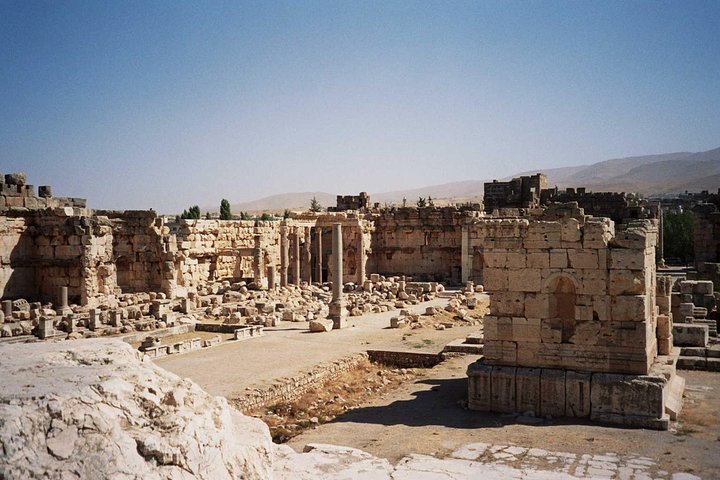
As I embarked on my journey to Baalbek, I was filled with a sense of anticipation and reverence. The ancient city, nestled at the foot of the Anti-Lebanon mountains, is a testament to the grandeur of Roman architecture. The colossal temples, dedicated to the Romanized Triad of Heliopolis—Jupiter, Venus, and Bacchus—stand as a beacon of spiritual and historical significance.
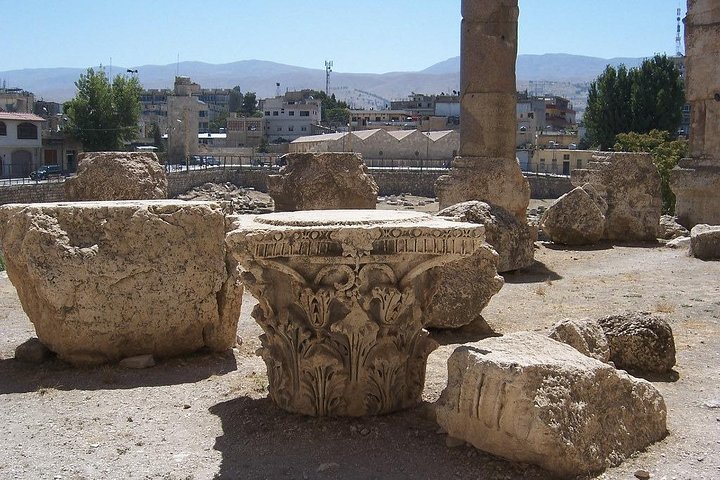
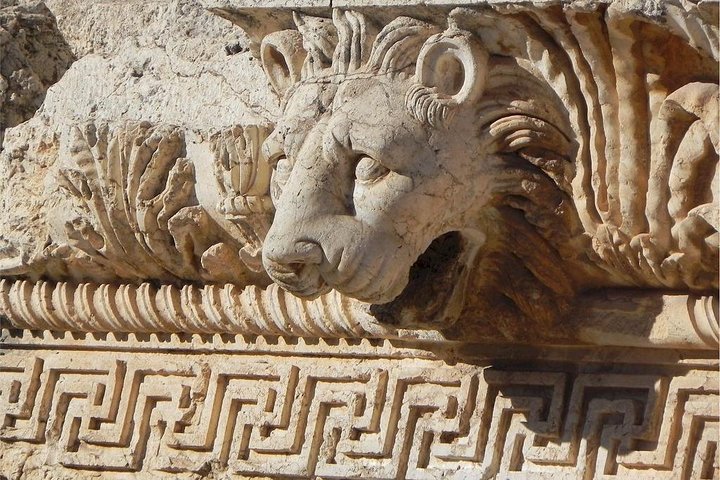
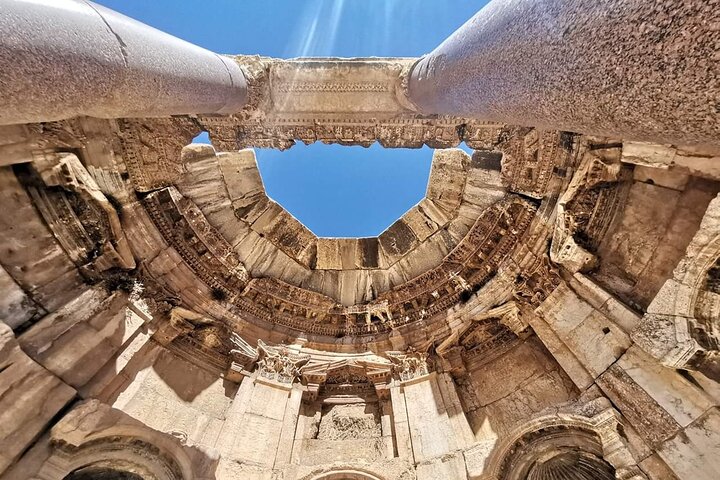
Walking through the ruins, I was struck by the sheer scale and intricacy of the structures. The Temple of Jupiter, with its towering columns, seemed to touch the sky, while the Temple of Bacchus, with its detailed carvings, whispered stories of ancient rituals and celebrations. It was as if the stones themselves were alive, echoing the prayers and hopes of countless pilgrims who had journeyed here before me.
The experience was not just a visual feast but a spiritual awakening. As I stood amidst the ruins, I felt a deep connection to the past, a reminder of the enduring nature of faith and the human spirit. It was a moment of reflection, a chance to ponder the mysteries of life and the divine.
The Enigmatic Stone of the Pregnant Woman
A short distance from the temples lies the enigmatic Stone of the Pregnant Woman, a massive monolith that has puzzled historians and archaeologists for centuries. Its sheer size and weight are a testament to the engineering prowess of the ancient Romans, yet its purpose remains shrouded in mystery.
Standing before the stone, I couldn’t help but marvel at its grandeur. It was a reminder of the ingenuity and ambition of our ancestors, a symbol of their desire to reach beyond the ordinary and achieve the extraordinary. The stone, with its silent presence, seemed to hold secrets of the past, waiting to be uncovered by those who dare to seek.
As I contemplated the stone, I was reminded of the importance of preserving our history and heritage. It is through understanding our past that we can truly appreciate the present and envision a future that honors the legacy of those who came before us.
A Toast to Tradition at Château Ksara
The final leg of my journey took me to Château Ksara, a renowned winery in the Beqaa Valley. Founded by Jesuit monks in 1857, the winery is a testament to Lebanon’s rich winemaking tradition. As I toured the vineyards and cellars, I was struck by the dedication and passion of the winemakers, who have preserved and perfected their craft over generations.
The wine tasting was a delightful experience, a symphony of flavors that danced on my palate. Each sip was a celebration of the land and its bounty, a tribute to the resilience and creativity of the Lebanese people. The wines, with their rich aromas and complex notes, told a story of tradition and innovation, a blend of the old and the new.
As I raised my glass in a toast, I felt a deep sense of gratitude for the opportunity to experience the beauty and richness of Lebanon. It was a journey that not only enriched my understanding of the world but also deepened my connection to the divine. In the heart of Baalbek, amidst the ruins and vineyards, I found a piece of my own spiritual journey, a reminder of the timeless bond between humanity and the sacred.