Exploring Atlanta’s Soul: A Deep Dive into Civil Rights History
Embark on a journey through Atlanta’s rich tapestry of African-American history and its pivotal role in the Civil Rights Movement. Discover the vibrant neighborhoods, historic sites, and cultural landmarks that define “The Black Mecca.”


A Journey Through Time: Atlanta’s Civil Rights Legacy
As a cultural anthropologist, I have always been drawn to the stories that shape societies and the people who drive change. My recent journey to Atlanta, often referred to as “The Black Mecca,” was a profound exploration of the city’s rich tapestry of African-American history and its pivotal role in the Civil Rights Movement. This was not just a tour; it was an immersion into the heart of a community that has long been a beacon of hope and resilience.
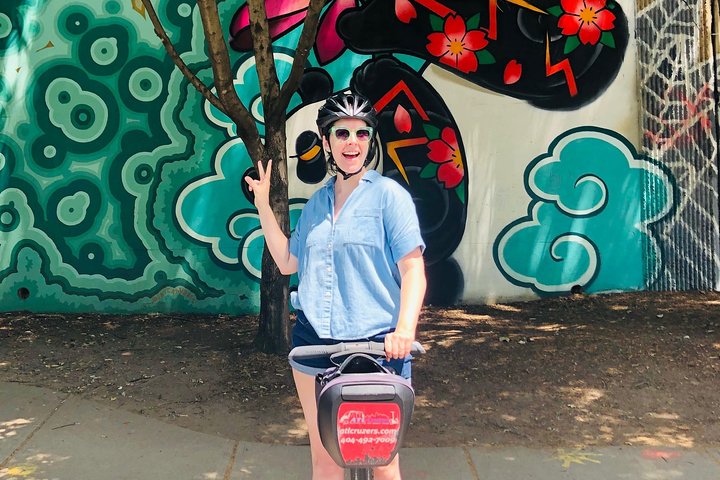
The tour began with a drive through some of Atlanta’s most historic neighborhoods, each with its own unique story to tell. From the vibrant murals of the West End Historic District to the bustling streets of Downtown Atlanta, the city’s spirit was palpable. Our guide, a charismatic and knowledgeable local, shared insights into the ongoing gentrification and the efforts to preserve the cultural heritage of these neighborhoods. It was a reminder of the delicate balance between progress and preservation, a theme that resonates deeply with my work in cultural anthropology.
The Heart of the Movement: Martin Luther King Jr. National Historic Site
One of the most poignant moments of the tour was our visit to the Martin Luther King Jr. National Historic Site. Standing before the final resting place of Dr. King and his wife, Coretta Scott King, I was struck by the solemnity of the moment. The original Ebenezer Baptist Church, where Dr. King once preached, stood as a testament to his enduring legacy. Across the street, the newer church location symbolized the ongoing journey towards equality and justice.
As we walked through the neighborhood, I couldn’t help but reflect on the impact of Dr. King’s work and the sacrifices made by countless others in the fight for civil rights. The birth home of Dr. King, preserved as a museum, offered a glimpse into the early life of a man who would go on to change the world. It was a humbling experience, one that left me with a renewed sense of purpose in my own work to document and share the stories of those who have shaped our world.
A Tapestry of Culture and Community
The tour also offered a chance to explore the vibrant cultural scene that defines Atlanta today. From the historic Sweet Auburn Avenue, once the richest African-American street in the world, to the modern marvel of Tyler Perry Studios, the city is a living testament to the creativity and resilience of its people. We stopped at several local businesses, each with deep roots in the community, and I was reminded of the importance of supporting these cultural pillars.
Our guide’s humor and quick wit added a personal touch to the experience, making the history come alive in a way that was both engaging and enlightening. As we drove past the National Center for Civil and Human Rights, I made a mental note to return and explore its extensive exhibits on Black-American history and the broader implications of human rights struggles worldwide.
In the end, this tour was more than just a journey through Atlanta’s past; it was a celebration of its present and a hopeful look towards its future. It reinforced my belief in the power of storytelling and the importance of preserving the cultural heritage that defines us. For anyone seeking to understand the soul of Atlanta, this tour is an essential experience, one that will leave you with a deeper appreciation for the city’s rich history and vibrant culture.