Exploring the Sillar Route: A Journey into Arequipa’s Architectural Soul
Join me as I explore the Sillar Route in Arequipa, a journey through the heart of the White City’s architectural heritage. Discover the ancient art of sillar carving and the rich cultural tapestry of this remarkable region.


The Allure of the White City
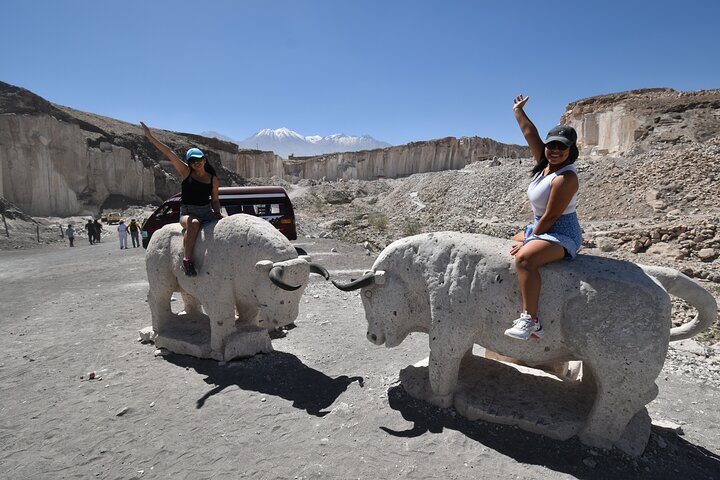
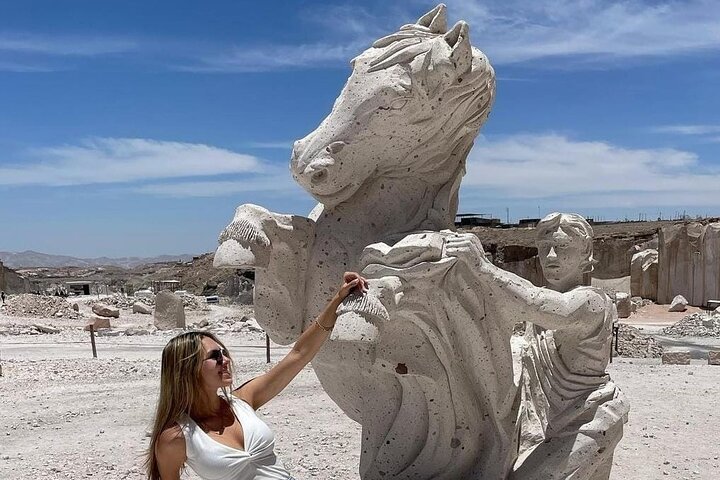
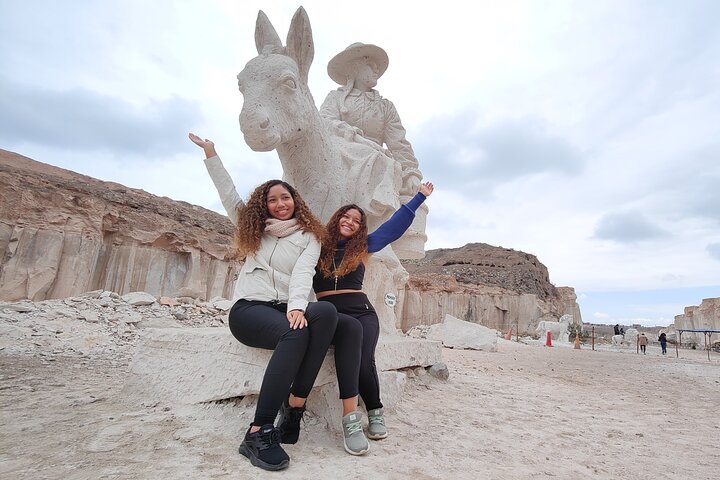
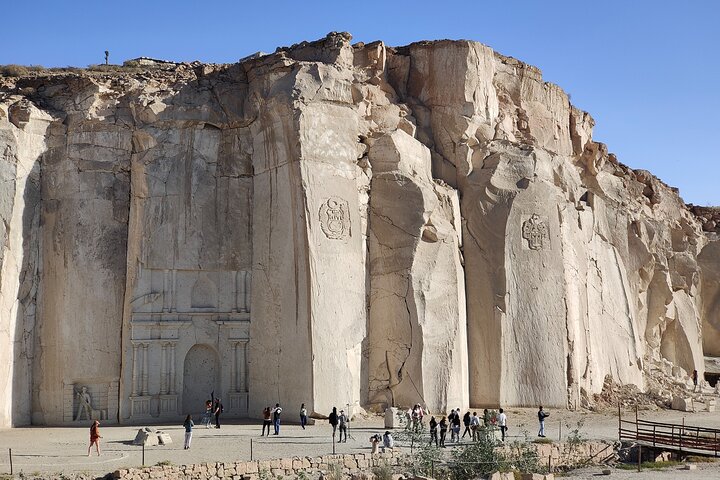
As I embarked on the Sillar Route in Arequipa, I was immediately captivated by the ethereal beauty of the White City. Known for its stunning architecture, Arequipa’s buildings are predominantly constructed from sillar, a white volcanic stone that gives the city its unique charm. The tour began in the district of Cerro Colorado, where the natural landscapes were as breathtaking as the architectural wonders themselves. The quarries of Añashuayco, Cortadores, and the virgin quarry of Culebrillas were the highlights of the journey, each offering a glimpse into the ancient art of sillar carving.
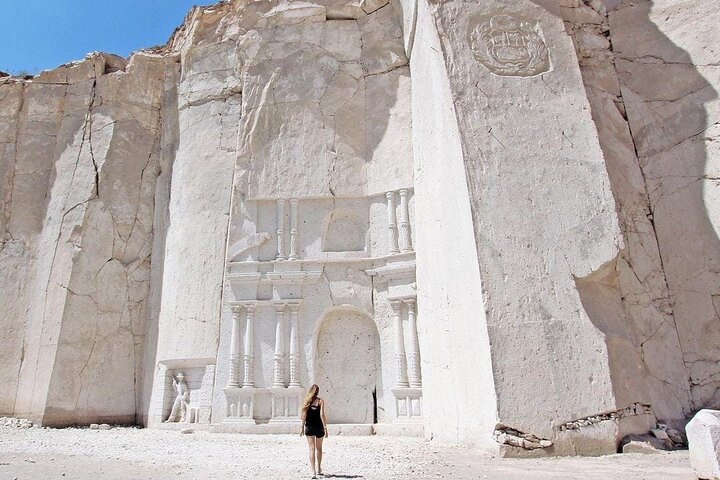
The quarries were alive with the sound of chisels and hammers, as skilled artisans demonstrated the traditional methods of extracting and shaping the stone. It was a humbling experience to witness the dedication and craftsmanship that goes into creating the iconic structures of Arequipa. The murals carved into the sillar were particularly impressive, showcasing intricate designs that have been passed down through generations. As I wandered through the quarries, I couldn’t help but feel a deep connection to the history and culture of this remarkable city.
A Journey Through Time
The Sillar Route is not just a tour of quarries; it is a journey through time. As we explored the shingles canyon, a small pink ashlar canyon formed naturally, I was struck by the timeless beauty of the landscape. The canyon, with its delicate hues and rugged formations, was a testament to the power of nature and the artistry of human hands. It was a place where the past and present converged, offering a unique perspective on the history of Arequipa.
Our guide, Cristina, was knowledgeable and passionate about the history of the region. However, her approach was somewhat brusque, which detracted from the overall experience. Despite this, the tour was an enlightening journey into the heart of Arequipa’s architectural heritage. The opportunity to learn about the origins of the sillar and its significance to the city’s identity was invaluable. It was a reminder of the importance of preserving cultural traditions and the stories they tell.
A Taste of Local Culture
The tour concluded with an unexpected treat: a visit to some local Peruvian food spots. This was a delightful way to end the day, as it allowed us to experience the rich culinary traditions of the region. The flavors were as vibrant and diverse as the landscapes we had explored, offering a taste of Arequipa’s cultural tapestry.
Reflecting on the experience, I was reminded of the importance of cultural immersion in travel. The Sillar Route offered a unique opportunity to connect with the history and artistry of Arequipa, while also providing a glimpse into the daily lives of its people. It was a journey that enriched my understanding of the White City and left me with a deeper appreciation for its architectural and cultural heritage. For those seeking a meaningful travel experience, the Sillar Route is a must-see destination that promises to inspire and enlighten.