Exploring the Spiritual Tapestry of Jordan: A Day in Jerash, Ajloun, and Umm Qais
Drawn by the allure of ancient history and spiritual exploration, I embarked on a journey to Amman to experience the renowned day tour of Jerash, Ajloun, and Umm Qais. What unfolded was a profound connection to the past, enriching my understanding of the Middle East’s cultural and spiritual heritage.




A Journey Through Time: The Ruins of Jerash
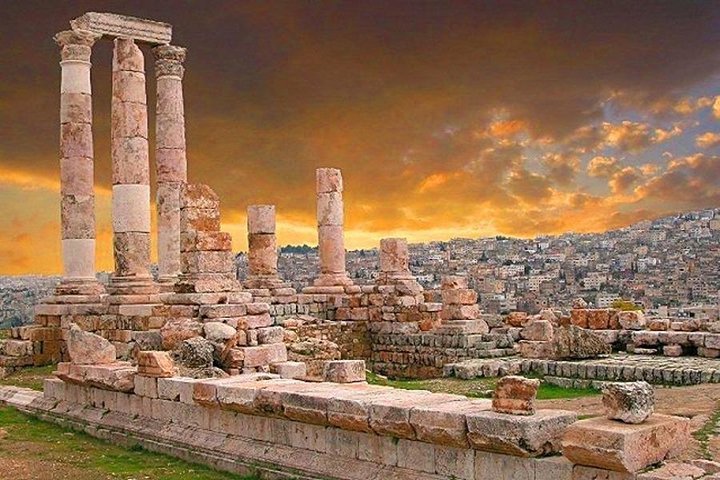
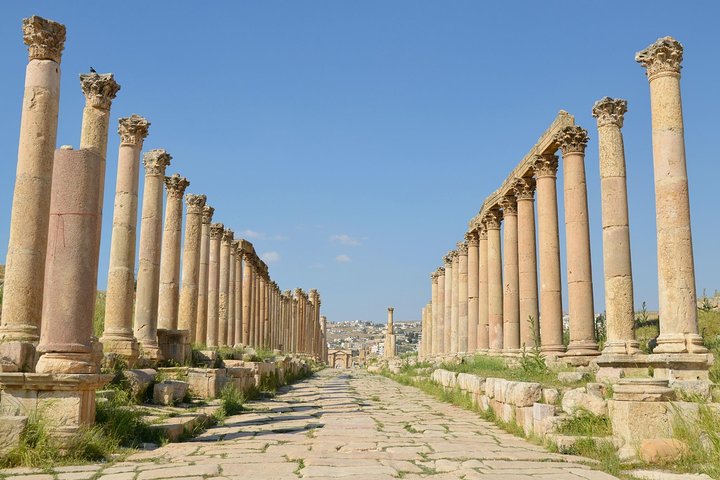
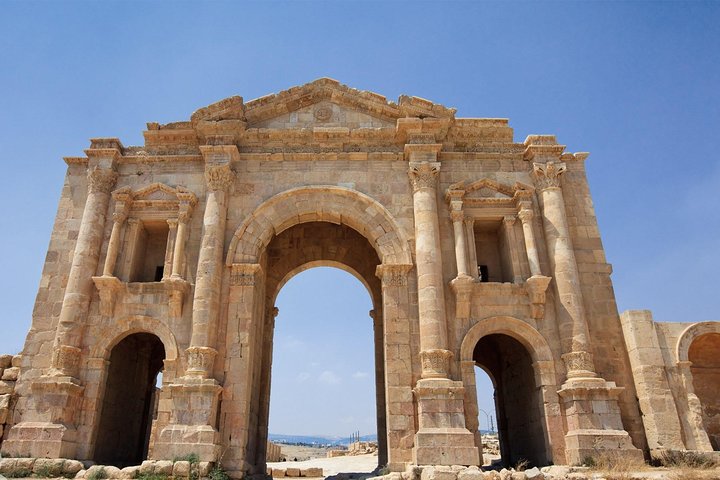
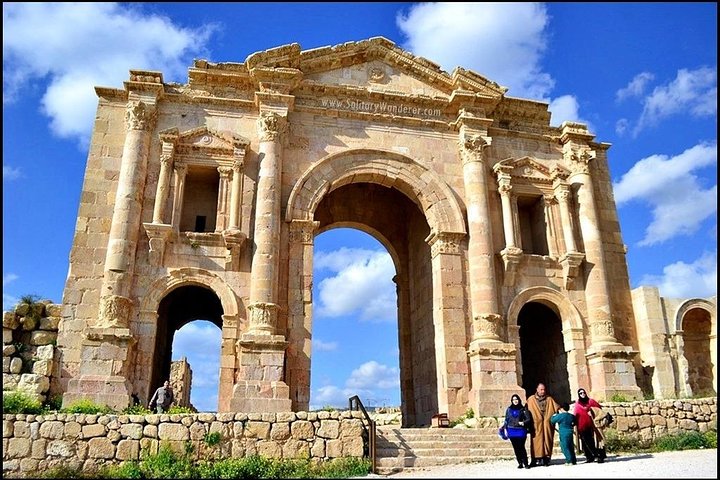
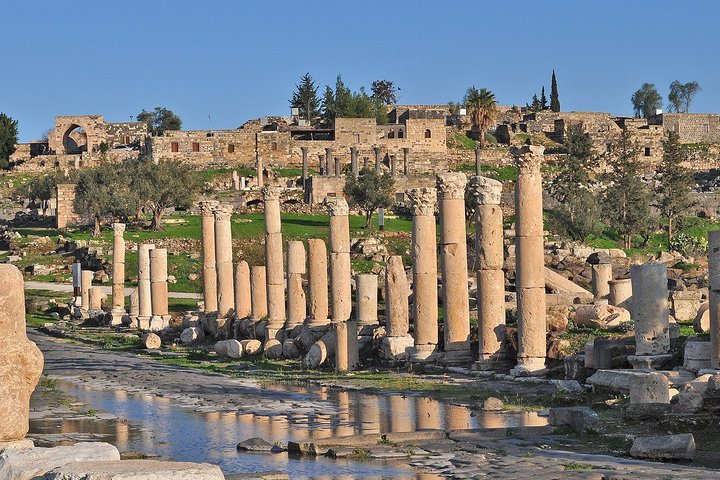
As I embarked on my journey from Amman, the anticipation of exploring the ancient city of Jerash filled me with a sense of wonder. Known for its remarkably well-preserved Roman ruins, Jerash is a testament to the grandeur of the Roman Empire in the Middle East. The moment I set foot on the colonnaded streets, I was transported back in time. The Nymphaeum and the Temple of Artemis stood as silent witnesses to centuries of history, their architectural beauty leaving me in awe.
Walking through Jerash, I couldn’t help but reflect on the spiritual significance of such places. As a scholar of Islamic studies, I have always been fascinated by the intersection of history and spirituality. The ruins of Jerash, much like the ancient cities of Petra and Jerusalem, offer a glimpse into the past, allowing us to connect with the stories and lives of those who walked these streets long before us. It was a humbling experience, reminding me of the transient nature of human existence and the enduring legacy of our cultural heritage.
The Fortress of Ajloun: A Symbol of Resilience
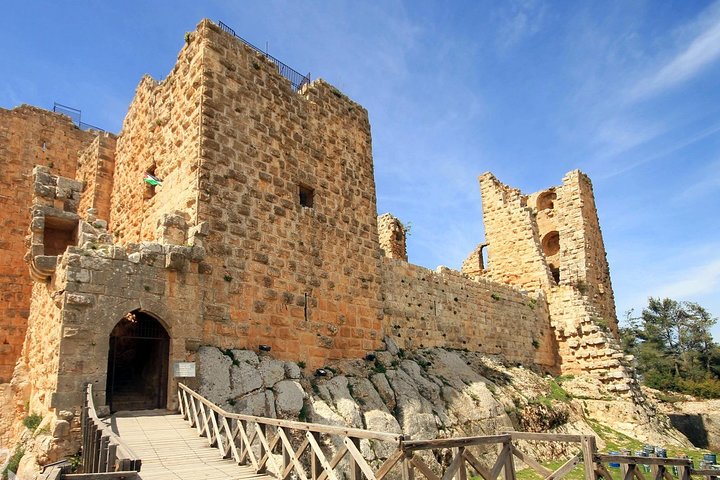
Our next destination was the formidable Ajloun Castle, a 12th-century Islamic fortress built by the legendary leader Salah al-Din. As we approached the castle, its stone walls and weathered exterior spoke of a time when it stood as a bastion of defense against the Crusaders. The castle’s strategic location offered breathtaking views of the surrounding landscape, a reminder of its historical importance.
Exploring Ajloun Castle, I was struck by the resilience and ingenuity of its builders. The castle’s design, with its intricate network of corridors and chambers, was a marvel of medieval military architecture. As I wandered through its halls, I imagined the lives of those who once inhabited this fortress, their stories echoing through the ages. This visit was not just a journey through history, but a spiritual pilgrimage, connecting me to the rich tapestry of Islamic heritage.
Umm Qais: A Meeting of Cultures
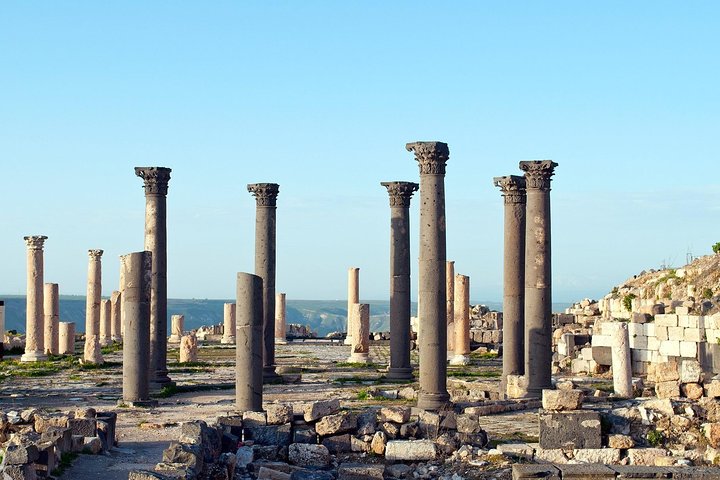
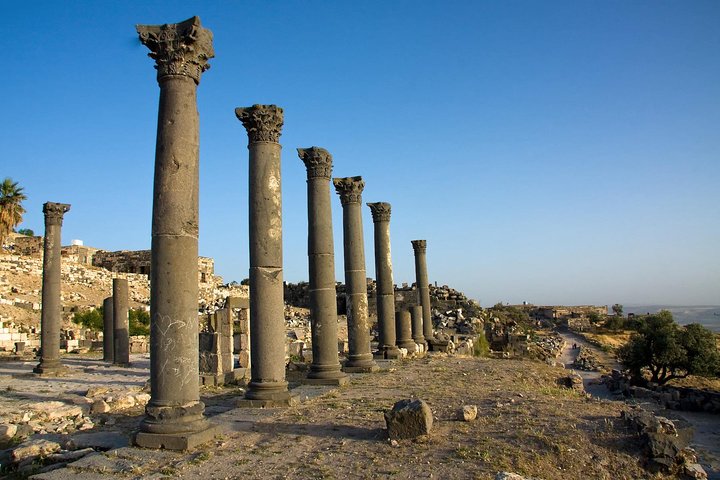
Our final stop was Umm Qais, a city founded by Alexander the Great and a member of the Decapolis. The city’s Greek influence was evident in its architecture, a blend of Hellenistic and Roman styles. Standing amidst the ruins, I was captivated by the panoramic views of the north Jordan Valley, the Golan Heights, and the Sea of Galilee.
Umm Qais was a place of convergence, where different cultures and civilizations met and mingled. This fusion of influences was a testament to the city’s historical significance as a center of trade and culture. As I stood there, I felt a deep sense of connection to the past, a reminder of the shared history that binds us all. This journey was more than just a tour; it was a spiritual exploration, enriching my understanding of the world and my place within it.
Reflecting on this day, I realized that travel is not just about visiting new places, but about connecting with the stories and histories that shape our world. The Amman Day Tour was a profound experience, one that deepened my appreciation for the rich cultural and spiritual heritage of the Middle East. I left with a renewed sense of purpose, eager to continue my journey of exploration and discovery.


