From Ice to Oasis: A Journey Through Al Ain’s Ancient Wonders
Drawn by the allure of ancient treasures and archaeological wonders, I embarked on a journey to Al Ain, a city steeped in history and warmth. Join me as I explore the Garden City, guided by the knowledgeable Bilal, and discover the rich cultural heritage that lies within.


A Journey Through Time: The Ancient Heart of Al Ain
The sun was barely peeking over the horizon as I embarked on a journey that promised to be unlike any other. Al Ain, known as the Garden City, awaited me with its ancient treasures and archaeological wonders. As someone who has spent years in the harsh, icy landscapes of the Arctic, the idea of exploring a city steeped in history and warmth was both intriguing and daunting. The contrast between the frozen tundra and the sun-drenched sands of Al Ain was stark, yet it was this very difference that drew me in.
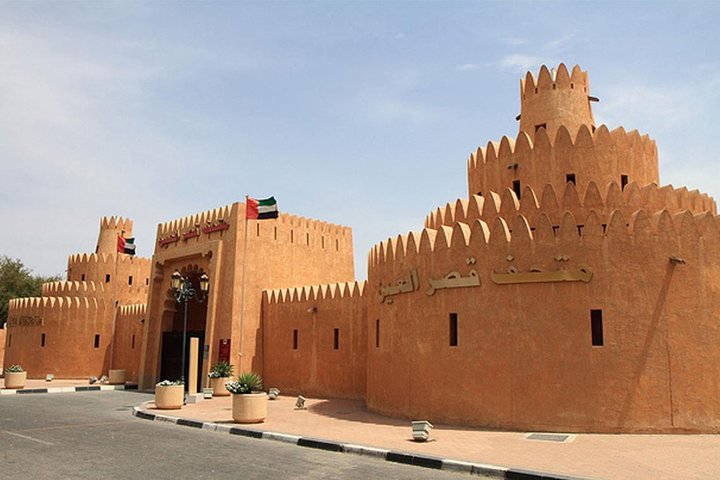
Our guide, Bilal, was a beacon of knowledge and enthusiasm. His command of English was impeccable, and his passion for the history of Al Ain was infectious. As we drove through the city, Bilal painted a vivid picture of its past, a tapestry woven with tales of ancient civilizations and royal treasures. The first stop was the Al Ain National Museum, a place where history seemed to breathe through the walls. The artifacts on display, some dating back to 3000 BC, were a testament to the rich cultural heritage of the region. It was a humbling experience, standing amidst relics that had withstood the test of time, much like the glaciers I had studied in the Arctic.
The Oasis of Al Ain: A Respite from the Desert
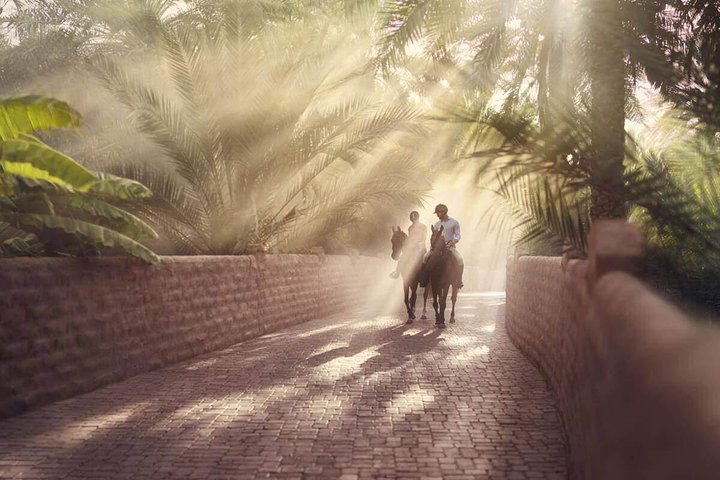
Leaving the museum, we ventured into the Al Ain Oasis, a verdant sanctuary in the midst of the desert. The contrast was striking, much like the sudden appearance of a polar bear against the endless white of the Arctic. The oasis was a labyrinth of palm groves, their leaves whispering secrets of the past as the wind rustled through them. Walking through the shaded pathways, I was reminded of the delicate balance of ecosystems, whether in the polar regions or the heart of the desert.
Bilal guided us to the ancient irrigation system, known as the falaj, which had sustained the oasis for centuries. It was a marvel of engineering, a reminder of humanity’s ingenuity in the face of harsh environments. As I listened to Bilal explain the workings of the falaj, I couldn’t help but draw parallels to the survival strategies of the Arctic wildlife I had observed. Both were examples of adaptation and resilience, qualities that have always fascinated me.
Ascending Jebel Hafeet: A View from the Top
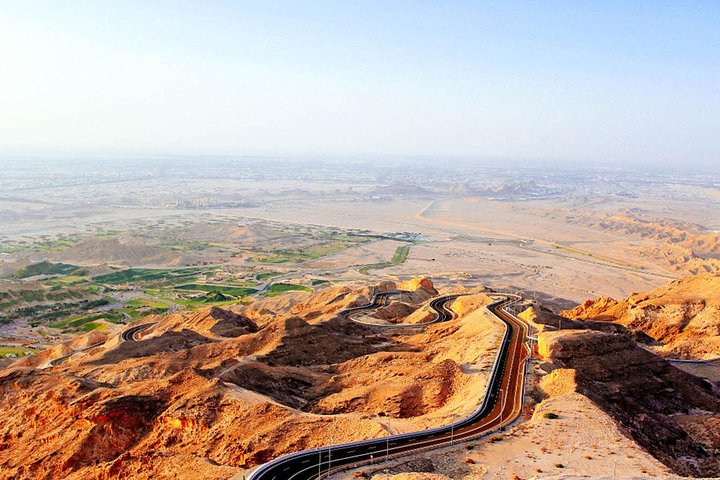
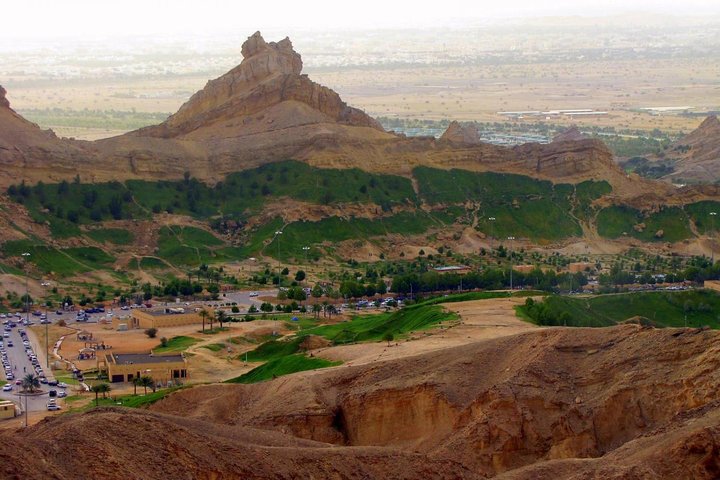
The final leg of our journey took us to the summit of Jebel Hafeet, a towering mountain that looms over Al Ain. The drive up was exhilarating, the road winding like a serpent through the rugged terrain. As we ascended, the city below shrank to a mere speck, much like the vastness of the polar ice caps seen from above.
Standing at the summit, the view was nothing short of breathtaking. The desert stretched out endlessly, a sea of sand under the blazing sun. It was a harsh beauty, reminiscent of the stark landscapes of the Arctic. Yet, there was a warmth here, a vibrancy that was absent in the frozen north. Bilal shared stories of the mountain’s significance, its role as a natural border with Oman, and its importance in the region’s history.
As the sun dipped below the horizon, casting a golden glow over the landscape, I felt a sense of fulfillment. The Al Ain City Exploration had been a journey through time and space, a reminder of the resilience of both nature and humanity. It was a stark contrast to the icy realms I was accustomed to, yet it was this very difference that made the experience so enriching. I left Al Ain with a newfound appreciation for the warmth of the desert and the stories it holds, eager to share this adventure with my readers.